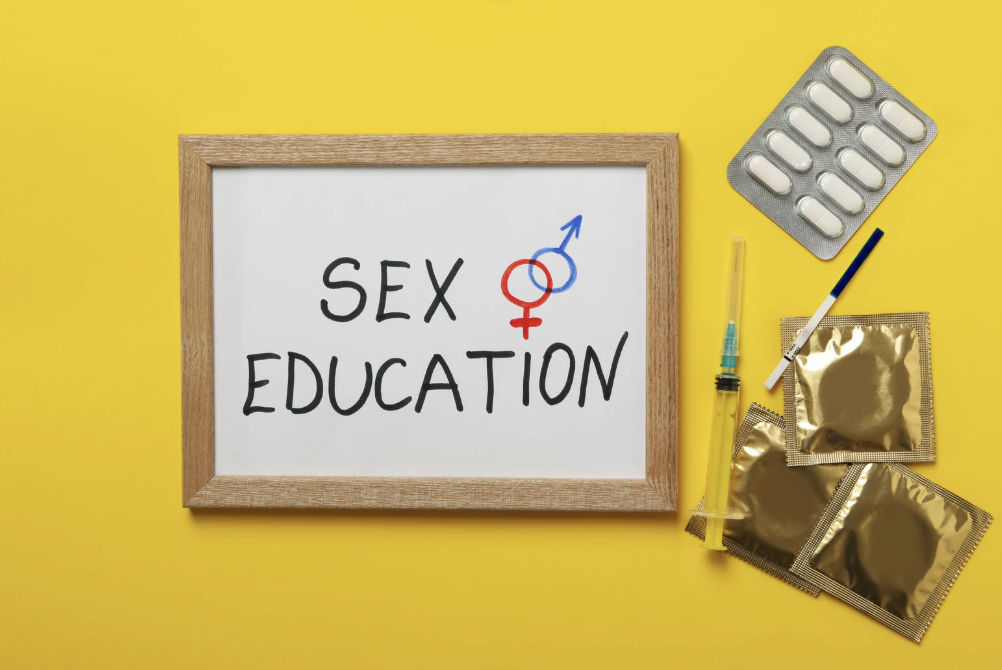
Supporting students’ healthy development goes beyond academics. School psychologists regularly guide educators, collaborate with families, and consult on curriculum that addresses sensitive but essential topics. Teaching Sexual Health: Practical Strategies for K–12 Educators equips school psychologists with the knowledge and tools needed to support evidence-based, age-appropriate sexual health education across all grade levels.
This course moves beyond theory and focuses on practical, classroom-ready strategies. Participants learn approaches they can share directly with educators and adapt for school-wide implementation. The training emphasizes consultation, prevention, and collaboration to ensure sexual health instruction is safe, inclusive, and developmentally appropriate.
Learning Outcomes
By the end of this course, school psychologists will be able to:
-
Identify best practices in sexual health education aligned with professional, ethical, and legal standards
-
Provide consultation and training to teachers implementing sexual health curricula
-
Support safe, inclusive, and developmentally appropriate discussions about sexual health in K–12 schools
Why This Course Matters for NCSP Renewal
This course qualifies for NASP-approved continuing professional development (CPD) hours and aligns with key NCSP Domains of Practice, including:
-
Preventive and Responsive Services – Promoting student well-being through proactive, evidence-based instruction
-
Family–School Collaboration Services – Supporting communication and consistency across home and school environments
-
Consultation and Collaboration – Guiding educators in implementing sensitive instructional content effectively
Participants may apply this course toward the 75 CPD hours required for NCSP renewal. Depending on district and state guidelines, the course may also count toward ethics-related professional development hours.
Accreditation
NASP Approved Provider #1152
Author/Speaker
Makenzie is a Board Certified Behavior Analyst dedicated to providing child-centered and innovative ABA services. Makenzie holds degrees in psychology, and child development, along with graduate degrees in both special education and ABA. She has worked in the public school system for over 8 years ensuring students have effective behavior support plans and the skills to be successful in whatever life path brings joy and fulfillment. Additionally, Makenzie Danis is a Certified Sexuality Educator through the Sexual Health Alliance. She believes firmly that all individuals, including through with disabilities, have a right to comprehensive sex education. Makenzie is also trained in Acceptance and Commitment Therapy (ACT) in both small groups and individual therapy. She is the proud owner of Danis Behavioral Solutions, which provides affirming behavioral support to individuals and families, along with progressive supervision services to future BCBAs.
Instructor Qualifications
Makenzie Danis, M.Ed., BCBA, LBA, is exceptionally well-qualified to teach this course, drawing from her unique dual expertise as a Board Certified Behavior Analyst and a Certified Sexual Health Educator. With years of experience as a special education administrator and BCBA in school-based settings, she has developed and implemented inclusive, age-appropriate, and behaviorally-informed sex education for diverse learners. Her background in curriculum development, compliance law, and trauma-informed supports allows her to thoughtfully integrate ABA strategies into sensitive and socially significant instruction.
Objectives
Participants will explore:
- Developmentally appropriate approaches to sexual health education for elementary, middle, and high school students
- Evidence-based strategies for promoting healthy decision-making, consent, and respectful relationships
- Cultural and ethical considerations in addressing diverse student backgrounds and family values
- Collaboration techniques for working with teachers, administrators, and parents on sensitive topics
- Crisis and referral guidelines for when students disclose concerns beyond the scope of classroom instruction